Inspiration from RHS Chelsea Flower Show 2026
Why is everyone talking about Japanese gardens in 2026? Because they’re shaping up to be one of the standout outdoor design trends this year and RHS Chelsea Flower Show 2026 made it loud and clear.
Designers aren’t trying to copy traditional Japanese gardens exactly. Instead, they’re taking inspiration from the core ideas that make them so calming and elegant: balance, restraint, and a sense of calm. The result? Outdoor spaces that feel modern, intentional, and incredibly relaxing perfect for UK gardens.
What’s Driving This Trend?
At its heart, this trend is all about slowing down. People want gardens that aren’t just beautiful they want spaces that feel restorative. At Chelsea, the focus was on creating gardens with clear layouts, thoughtful planting, and calm, contemplative corners. Designers are embracing negative space as much as they are the plants and structures themselves, allowing every element to breathe. It’s a style that works beautifully for smaller UK gardens, helping them feel open, serene, and perfectly balanced.
Why Simplicity Matters
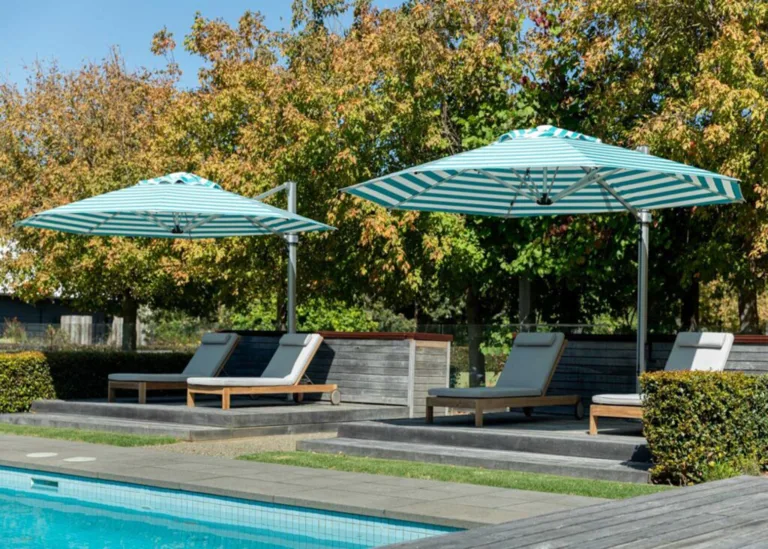
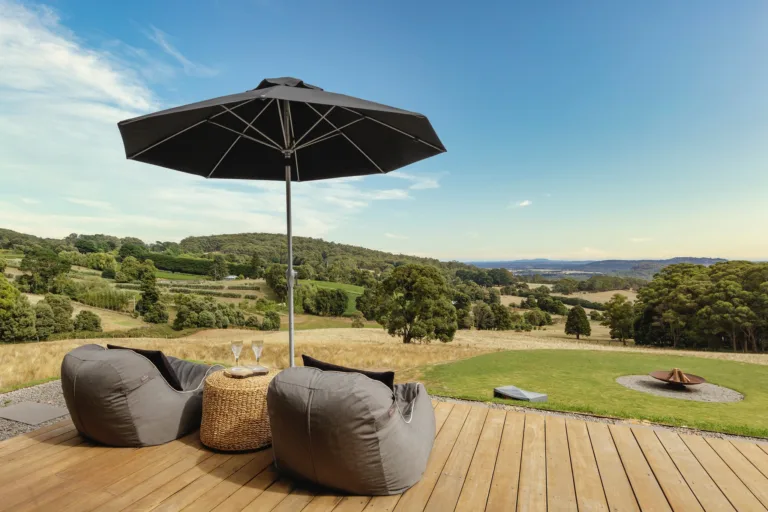
One of the standout ideas behind Japanese-inspired gardens is simplicity. Instead of filling every nook and cranny, the goal is to focus on fewer, high-quality elements, with clear lines of sight and uncluttered compositions. The effect is a space that feels intentional, harmonious, and easy on the eye. Even features like cantilever parasols fit naturally into this approach, offering shade and comfort without disrupting the calm, elegant vibe of the garden.
How Structure and Nature Work Together
Japanese garden design is all about harmony. Hardscape elements like stone paths, timber decking, or architectural features aren’t just functional they’re part of the rhythm of the garden. When paired thoughtfully with planting, they create flow instead of competition, guiding the eye naturally and making the garden feel cohesive and alive.
Why Empty Space is Essential
In Japanese design, empty space isn’t a gap to fill it’s a feature in its own right. Negative space makes a garden feel larger, encourages calm and focus, and prevents visual overload. Knowing when to stop adding things is just as important as knowing what to include. Cantilever parasols, for example, offer function without crowding the space, perfectly complementing this philosophy.
Discover more about creating your own Japanese-inspired sanctuary at Instashade.