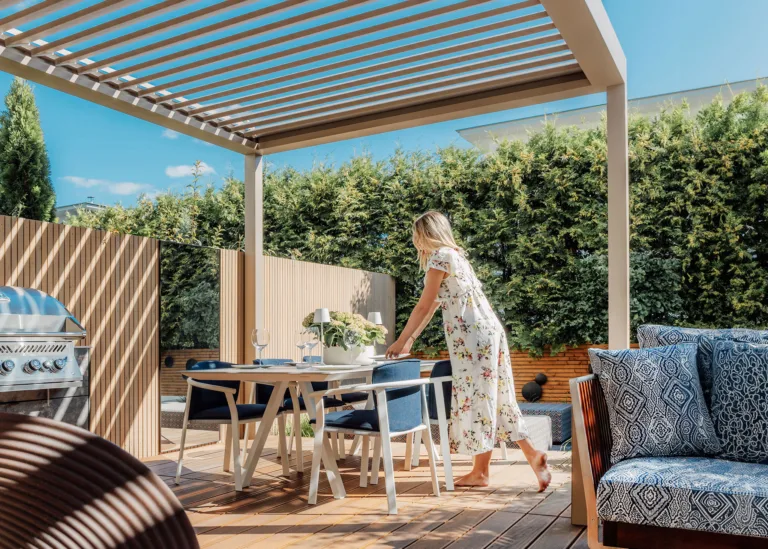
Across the UK, gardens are becoming calmer and more intentional. The RHS has recently highlighted a growing move towards outdoor spaces that prioritise balance, simplicity and wellbeing rather than filling every area with features. This shift reflects how people are now using their gardens as places to relax, socialise and switch off.
Garden Feng Shui offers a useful framework for creating this kind of outdoor space by focusing on comfort, flow and how a garden is experienced rather than how it looks on its own.

What is Garden Feng Shui?
Garden Feng Shui is a traditional Chinese approach to creating harmony in outdoor spaces. It looks at how layout, light and shelter influence how a garden feels to spend time in. Rather than strict rules, it encourages thoughtful placement of features so the space feels calm, balanced and easy to use.
Why does my garden not feel relaxing even though it looks good?
This is a common problem. Many gardens are visually attractive but uncomfortable to sit in. If seating areas are exposed to direct sunlight with no overhead cover, the space can feel harsh and unsettled. Without shelter, people tend to move around rather than relax, which disrupts the sense of calm.
How do I make my garden feel more balanced without redesigning it?
Balance often comes from defining how the space is used. Noticing where you naturally sit or gather helps identify where the garden needs structure. Introducing a pergola or placing a parasol over this area can immediately make the space feel more purposeful and settled without changing the overall layout.
Why is overhead shelter important in Garden Feng Shui?
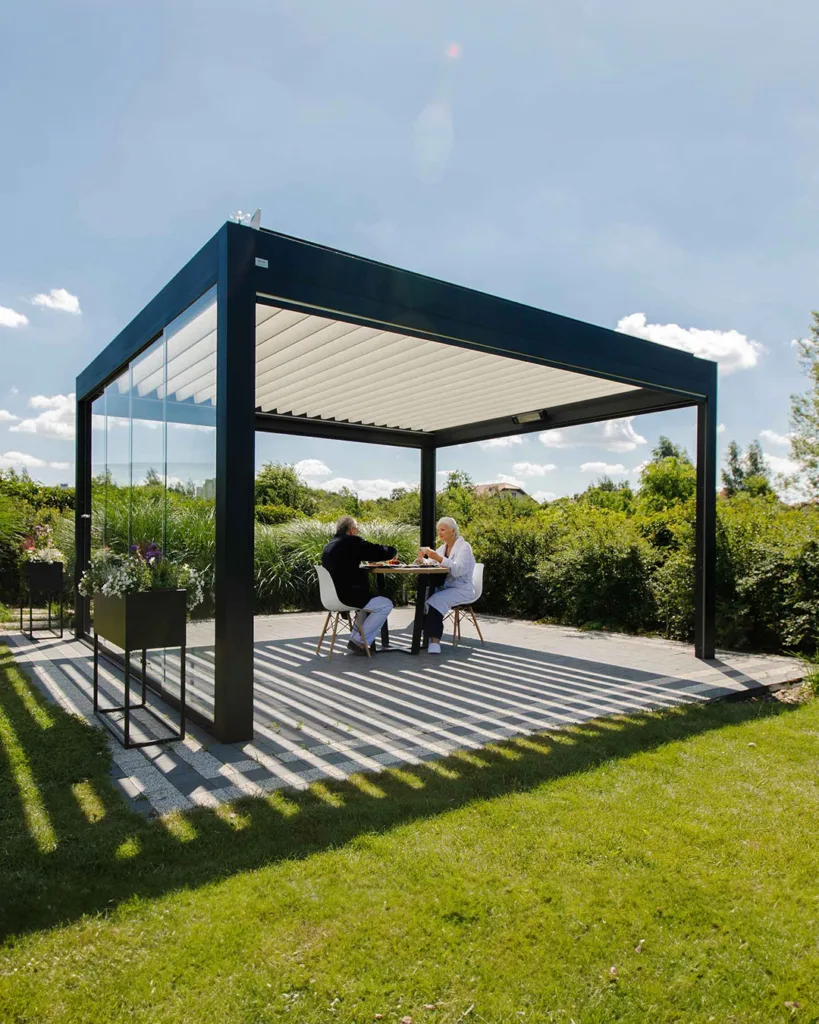
Overhead shelter creates a feeling of security and comfort. In Feng Shui, this sense of protection helps people relax and feel grounded. When a seating area has some form of cover, such as a pergola or parasol, it becomes a place to pause rather than a space you pass through.
How do pergolas help create a calm outdoor space?
Pergolas provide permanent structure within a garden, helping to define seating or dining areas. They introduce vertical balance, which makes outdoor spaces feel organised and complete. Because pergolas allow light and air to pass through, they offer shelter without making the garden feel closed off.
What role do parasols play in creating balance?
Parasols offer flexibility, which is important for maintaining comfort throughout the day. As sunlight shifts, a parasol can be adjusted to keep seating areas usable. This adaptability supports the idea of flow in Garden Feng Shui, allowing the garden to respond naturally to changing conditions.
How can I improve comfort in my garden during summer?
Comfort in warmer weather comes from managing sunlight rather than removing it completely.Pergolas and parasols soften direct light, reducing glare and heat while keeping the garden bright and open. When light levels are comfortable, people are more likely to spend longer periods outdoors.
Does Garden Feng Shui work in small gardens or patios?
Yes, it works particularly well in smaller spaces. In compact gardens or patios, keeping the floor area clear is essential for maintaining a sense of flow. Wall mounted parasols are especially effective here because they provide shade and shelter without taking up valuable ground space. By freeing up the area below, they help the garden feel more open, balanced and easier to move through.

How do I know if my garden feels balanced?
A balanced garden is one that feels comfortable and inviting at different times of day. If you find yourself sitting outside more often and feeling relaxed without needing to constantly adjust your position, then the space is working well. Garden Feng Shui is measured by experience rather than appearance.
Summary
Garden Feng Shui aligns closely with the growing UK focus on wellbeing and outdoor living. By thinking carefully about layout, shelter and comfort, it is possible to create a garden that feels calm and purposeful. Often, something as simple as adding a pergola or parasol in the right place can transform how an outdoor space feels and how often it is used.